They had the surf camp idea. Now they needed the whole business.
Imagine a startup with plans for surf weeks in different countries and everything still to connect. Here is how we’d approach the full brief, from a website guests can find to the itinerary their local host needs.
 An illustrative surf camp launch story
The vision was a great week.
The brief was everything behind it.
Picture a founder ready to launch a surf camp. Small groups, good coaching and a week by the ocean. Portugal first, with Morocco and Sri Lanka in the plan. The experience was taking shape. The way to sell and run it still needed building.
They would need a website, bookable camp weeks, room choices, payments and products. Then a way to prepare each guest and hand the right itinerary to the people running the trip on the ground. We’d start by designing that whole journey together.
This is an illustrative startup scenario, not a delivered customer project. The screens use fictional records; the story describes a proposed setup.
- Business
- New surf camp startup
- Model
- Fixed-date, hosted surf weeks
- Example locations
- Portugal, Morocco & Sri Lanka
- The brief
- Build the whole operating setup
Start with one week.
Make room for the next country.
What would a guest actually book?
A dated surf week, a room and a coaching package, with options such as board hire or an airport transfer. Each choice needs a price, capacity and someone responsible for delivering it.
Who would make the week happen?
A host, accommodation partners, surf coaches and transfer teams in each country. The founder needs to turn the promise on the website into a practical plan for these people.
What would the founder need to see?
Every destination and departure in one company view: places left to sell, guests preparing to travel and payments still due. We’d use these questions to shape the setup before designing the first page.
The first booking would
set the whole business in motion.
As soon as someone booked Portugal, a room would need reserving. A deposit would need recording. The guest would need travel information. A coach would need their surf level, and a driver might need their arrival time.
Now imagine another group booking Morocco while the Portugal host prepares for check-in. The startup needed those details to travel with the booking. Our starting point would be one connected record, with a clear next step for the guest and the team.
Before the website, map what happens next.
We’d follow a guest from discovering the camp to meeting their host. That journey becomes the plan for the website, booking flow and operation behind it.
- 01
Website
Discover the camp
- 02
Trip page
Choose a departure
- 03
Booking
Room, package & extras
- 04
Payment
Deposit & balance
- 05
Guest portal
Forms, waiver & travel
- 06
Operations
Rooms & guest lists
- 07
Host access
The local handover
- 08
Arrival
A prepared welcome
A guest finds the camp, then finds their kind of week.
The website would be the first place the startup earns trust. It needs to explain the experience, make destinations easy to compare and lead people to the right departure.

Tell the story of the place
We’d give each destination space for the surf, accommodation, coaches and travel details. A beginner should be able to picture their week and understand whether the camp is right for them.
Build the search foundations
The launch brief includes useful destination pages, clear page titles, crawlable links, a sitemap and technical checks for Google indexing. These support discovery; rankings would need to be earned and measured over time.
Give interest a clear next step
Once a guest chooses a place, show the dates, inclusions, room options and payment terms. Carry that chosen departure into booking so the website and checkout feel like one journey.
A week on the website
becomes a place in the camp.
Next, we’d define the bookable packages: dates, rooms, coaching, extras and payment terms. The founder needs to know exactly what each sale commits the local team to deliver.
| Lead guest | Payment | Balance |
|---|---|---|
| MPMaya Patel2 guests · 14–21 June | Deposit paid€300 | €900Due 14 May |
Make the price understandable
Show the package, chosen extras, total, deposit and balance deadline before payment. A guest should finish booking knowing what they have reserved and what happens next.
Define live availability properly
The brief calls for live availability tied to departure capacity, rooms and reservations. We’d define booking holds, cancellations and release rules, then test any external inventory connections before relying on them.
Give the founder a useful booking record
The proposed record brings the guest, room, package and extras together, with paid and outstanding amounts kept separate. Balance reminders would follow the agreed payment schedule.
The booking is in.
Now help the guest get ready.
A confirmation is only the beginning. The startup needs to gather the details that turn a name on a booking into a guest the team can prepare for.
Portugal Surf Week
14–21 JuneNext steps
Ask what the team needs to know
Surf experience helps the coach plan a group. Equipment sizes help prepare boards and wetsuits. Dietary requirements help the host plan meals. We’d shape the questions around those practical decisions.
Give the guest one place to return
The brief brings the itinerary, packing advice, travel details and any required waiver or insurance information into their trip preparation. The guest can see what is complete and what still needs attention.
Make follow-up useful
We’d map confirmation, balance and pre-trip messages to the guest’s progress. The aim is a clear next action for them and a visible list of missing details for the team.
A guest list becomes
a plan for the week.
As departure approaches, the founder’s questions change: who is arriving, where are they staying, which extras did they book and what still needs sorting?
| Guest | Arrival | Transfer |
|---|---|---|
| Maya PatelOcean Twin | 14:30TP1023 · Lisbon | AssignedJo Costa |
Get the house ready
The rooming list and dietary answers would guide accommodation and meals. A room change should stay attached to the guest’s departure, with a clear way to pass the update to the host.
Get the coaching ready
The coach needs surf levels, equipment requirements and booked sessions. We’d organise the handover around the actual guest group and the services they have chosen.
Catch the loose ends
An unanswered arrival question or outstanding balance needs an owner. The departure view would make these exceptions visible while there is still time to resolve them.
The founder can be elsewhere.
The host still needs the whole plan.
For a company operating across countries, the handover is part of the product. The local operator needs to know what was promised and what to prepare.
A useful itinerary for the people on the ground.
We’d bring the day-by-day plan, meeting points, guest list and arrival arrangements into the departure handover. The Portugal host would prepare their week; the Morocco operator would receive their own group’s plan. Coaches would get surf levels and equipment needs, while transfer partners would get the relevant pickup details. Access and update responsibilities would be agreed for each role.
The next country should
build on what already works.
In this scenario, Portugal is the starting point. Morocco and Sri Lanka follow, each with different accommodation, seasons, travel instructions and people on the ground.
Carry the structure forward
We’d reuse the camp-week model for each new location, then set its dates, rooms, packages and preparation steps. That gives the founder a consistent way to organise the next launch.
Keep the local details local
A Morocco airport pickup needs different instructions from a Portugal train arrival. Each destination’s itinerary, joining guide and host responsibilities need to reflect how that trip actually runs.
Keep sight of the whole company
The proposed company view brings departures, bookings, remaining capacity and payment status together. Local operators focus on their own weeks, while the founder can see where attention is needed.
New dates, useful guides
and products guests want to take home.
Once the first camp is ready to sell, the business still needs to keep its website useful and manage the products and extras around each trip.
Give people a reason to find the camp
Destination guides, surf advice and practical FAQs would answer real guest questions. We’d plan content around the trips the startup sells, then review search visibility and enquiries after launch.
Connect each extra to the work
An airport transfer means a pickup to arrange. Board hire means equipment to prepare. The proposed setup keeps the purchase connected to the person responsible for delivering it.
Include the product side of the business
The founder’s brief also covers camp merchandise and other products. We’d map the catalogue, customer orders and fulfilment steps alongside trip sales, so those responsibilities are clear from the start.
From a surf camp idea
to a business ready to take shape.
The goal is a connected setup for the whole company, with the website, bookings, products, guest preparation and local operations designed around the same journey.
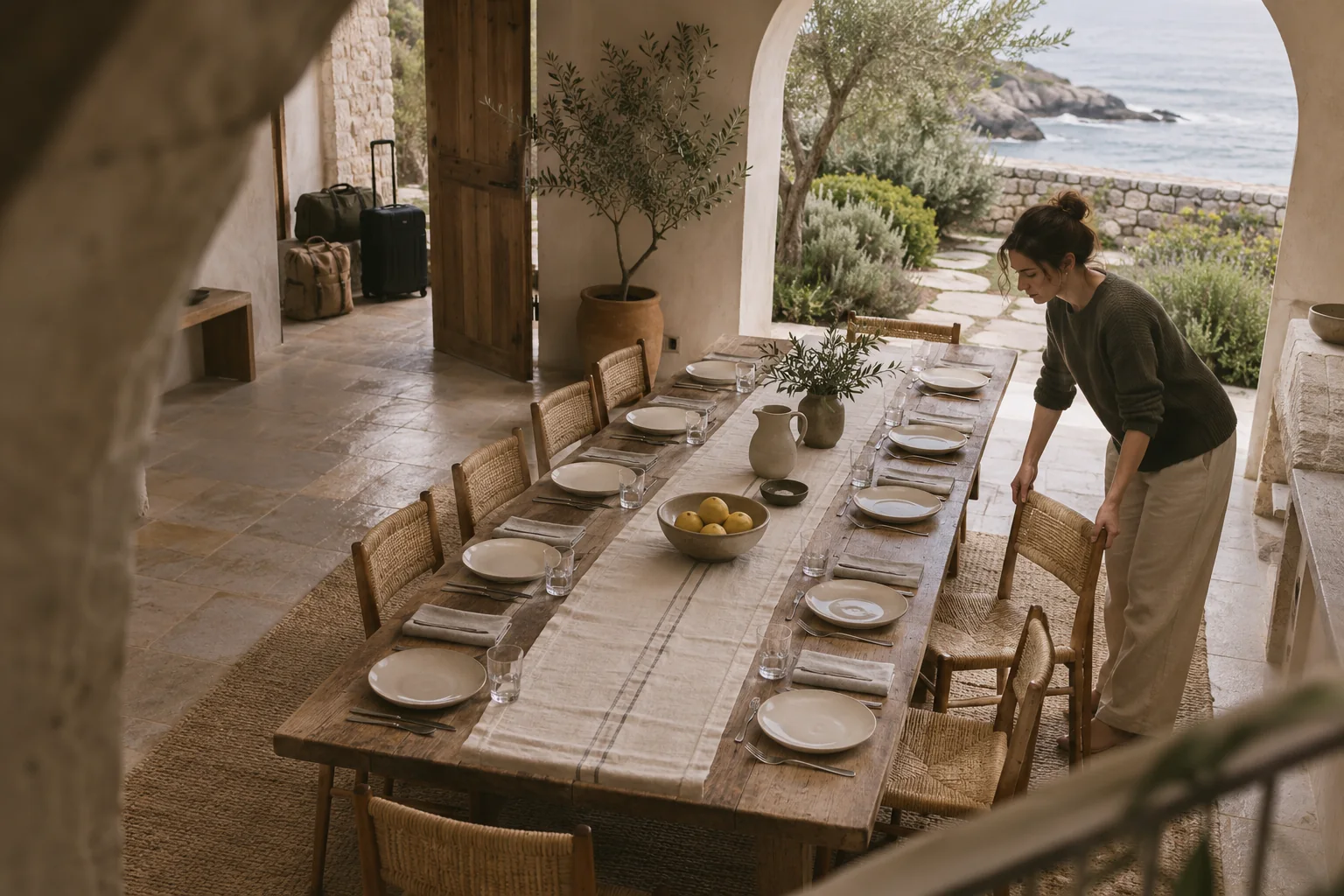
Picture that first guest again: they find Portugal, choose a week and reserve a place. Their preparation gives the team what it needs. Their itinerary reaches the local host. The founder can follow the journey across the business. That is the launch we’d plan towards.
Have the idea.
Need the whole setup?
Tell us about your camp, destinations and local teams. We’ll work through what it would take to connect the whole operation in Marnie.